

Optimas Launches Acquisition-Led Expansion Across Industrial Distribution
The UK-based distributor is targeting specialist businesses across Europe and Asia-Pacific, with digital integration likely to play an important role in turning acquisitions into customer value.

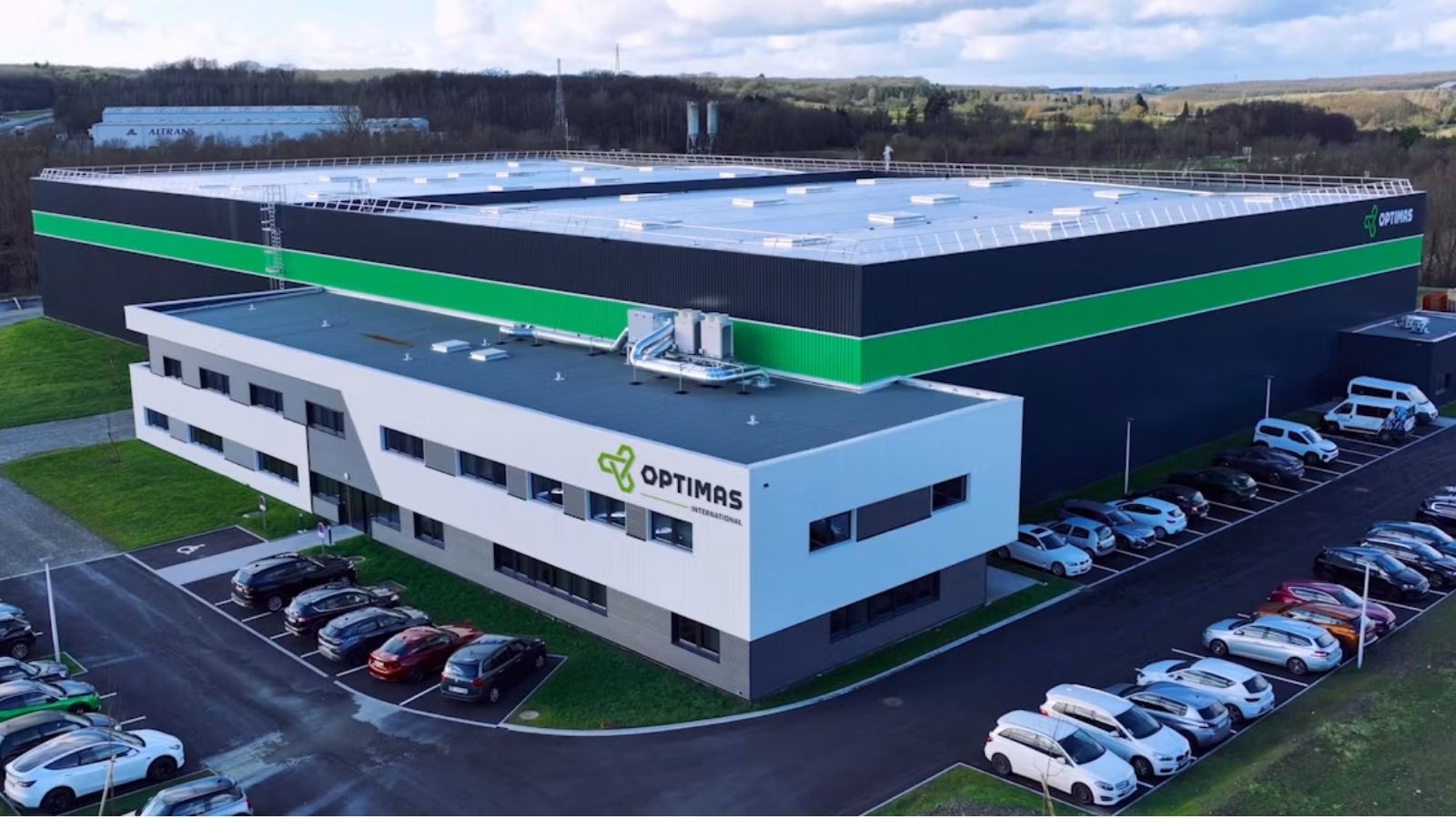
Optimas International has launched a global acquisition program targeting mid-sized industrial distributors and specialist engineering businesses.
The Gloucester-based fastener distributor and supply-chain solutions provider said its Partnership Growth Programme will focus on established businesses across the UK, Europe, the Middle East, Africa and Asia-Pacific. It will also consider international operations that US-headquartered companies may be looking to divest.
Priority markets include industrial automation, semiconductor capital equipment, infrastructure, construction, power and energy, aerospace, defence, marine, heavy goods vehicles and off-highway equipment.
The strategy follows the acquisition of Optimas International by European private equity firm Exponent earlier in 2026. Optimas has not disclosed how much it expects to invest, how many acquisitions it intends to complete or when the first transaction could occur.
Optimas said it is particularly interested in product-led specialist distributors that can extend its technical expertise, product portfolio and reach into additional industrial markets. The company also intends to preserve the identity, culture and operating heritage of acquired businesses.
The expansion raises an important question for any distributor pursuing acquisition-led growth: how to connect multiple specialist businesses without removing the local knowledge and customer relationships that made them valuable.
Optimas already operates with a technology foundation that includes NetSuite ERP, ToolsGroup demand planning and its OptiTech inventory-management system. OptiTech uses connected scales and other technologies to help customers manage fastener inventory.
These capabilities could provide a foundation for bringing acquired businesses into a more connected operating model. However, creating value will involve more than migrating companies onto the same systems.
Product data, customer accounts, pricing, inventory visibility and digital ordering capabilities all need to work across the expanded organisation. Customers should be able to access a broader range of products and expertise without encountering disconnected systems or inconsistent service between businesses.
The challenge is particularly important in specialist industrial distribution, where technical knowledge and local relationships can be as valuable as product availability. Too much standardisation can weaken those strengths, while too little integration can leave the combined organisation operating as a collection of separate companies.
A shared digital foundation can provide visibility and consistency without requiring every acquired business to operate in exactly the same way. Common data standards, connected inventory and integrated customer workflows can sit alongside specialist teams and regional operating models.
For Optimas, the success of the strategy will not be measured only by the number or size of the businesses it acquires. It will depend on whether the expanded group can combine specialist capabilities, customer relationships and technology into a stronger proposition for manufacturers.
That is where acquisition-led growth and digital transformation increasingly meet in industrial distribution.